← Back to ResourcesIndustry Guides
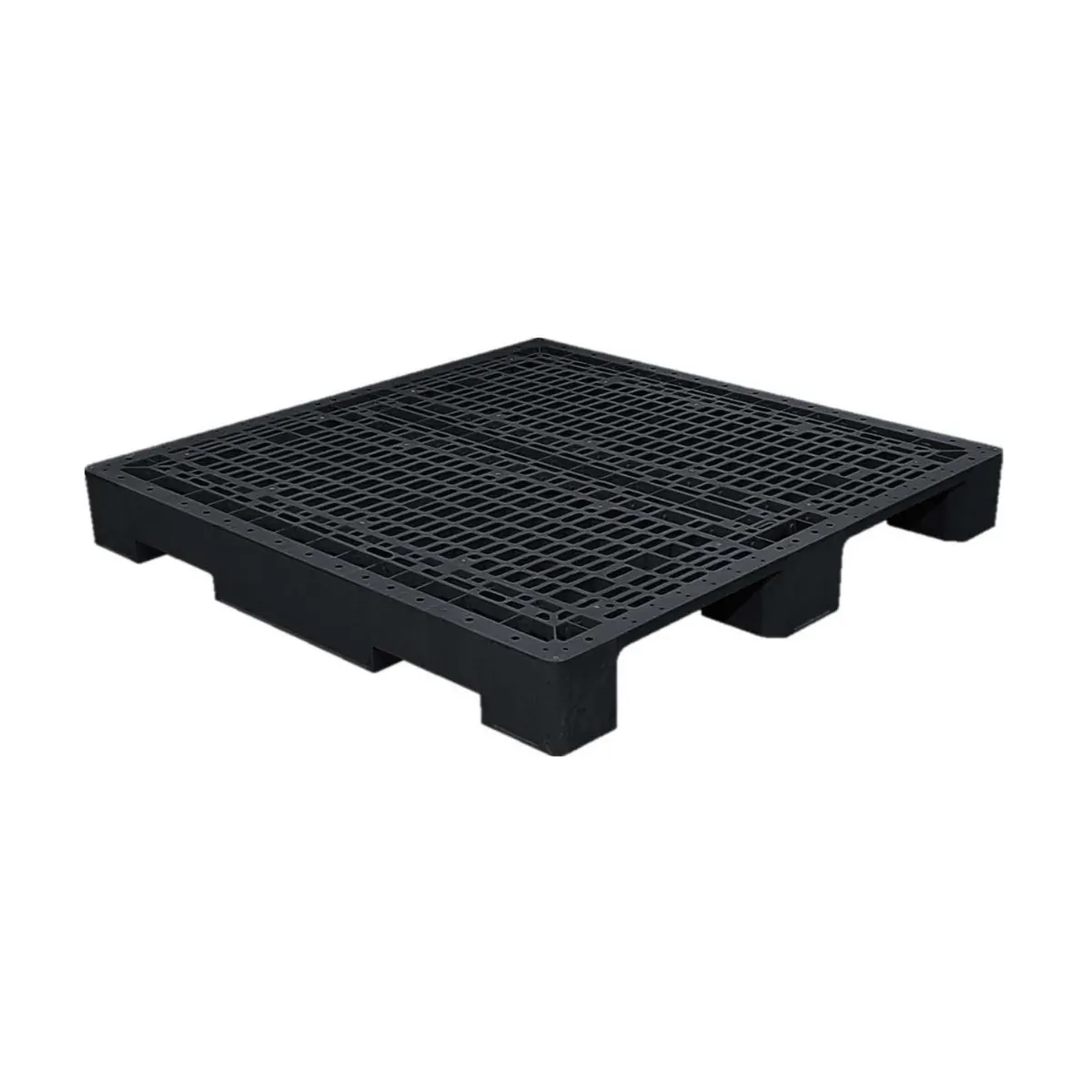 View
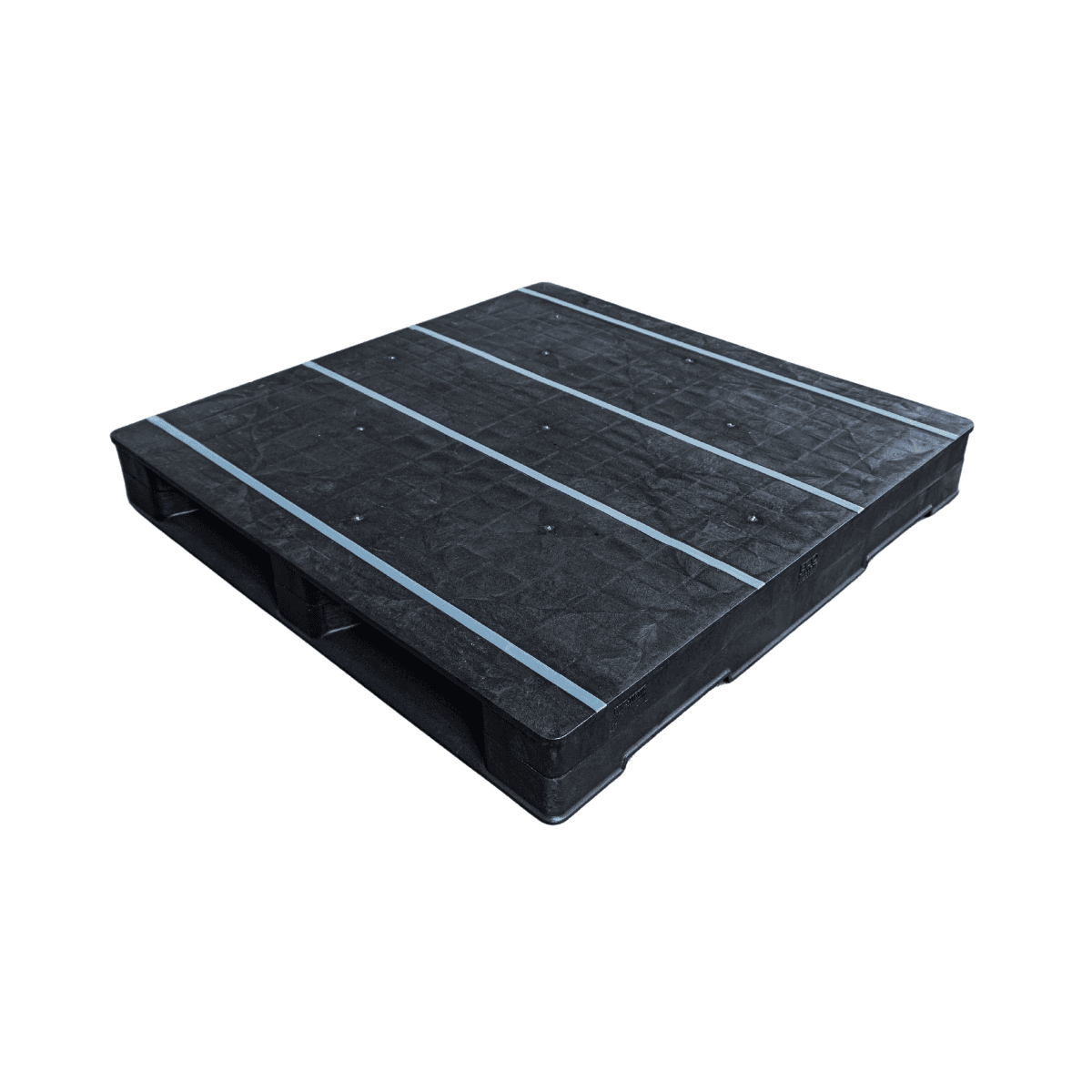 View
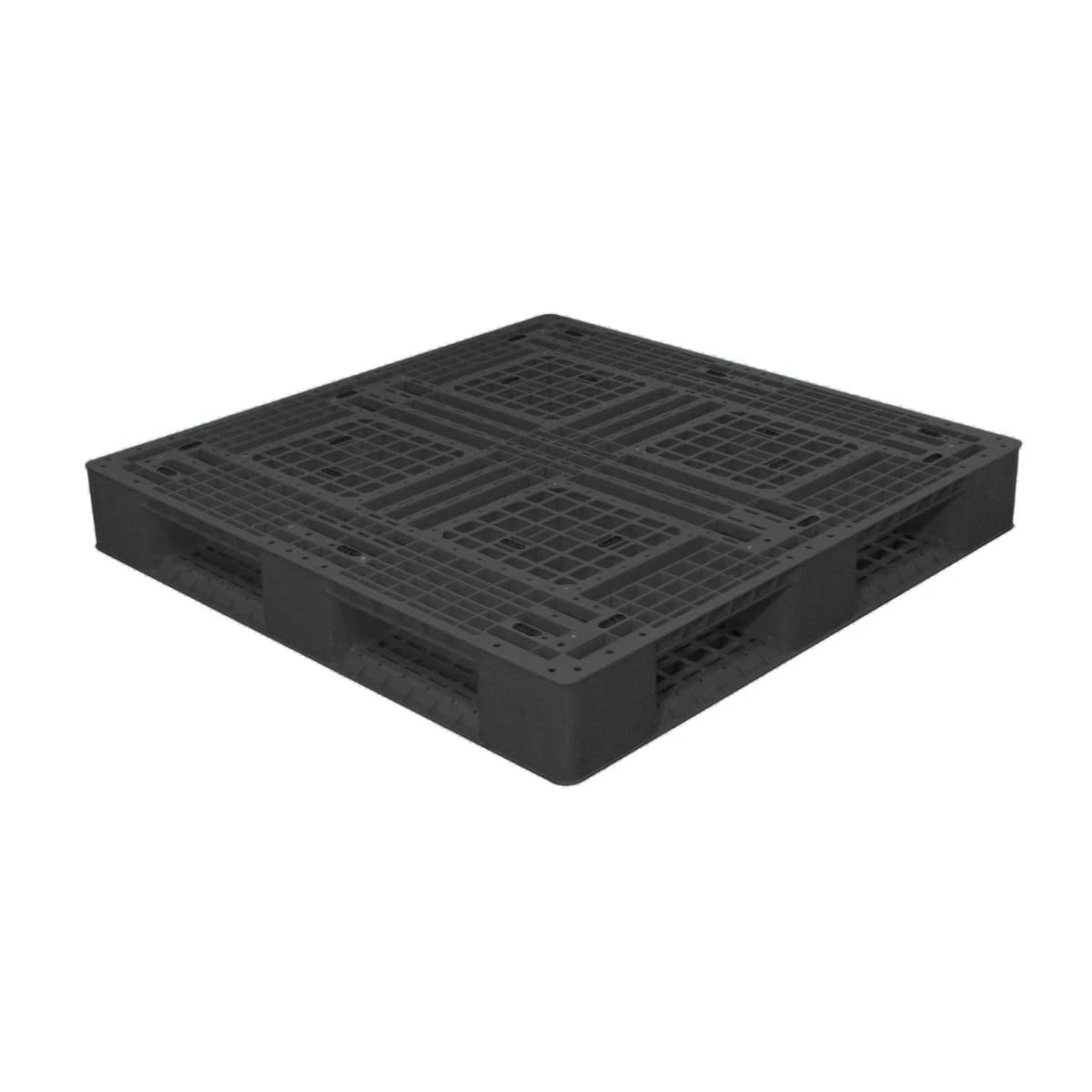 View
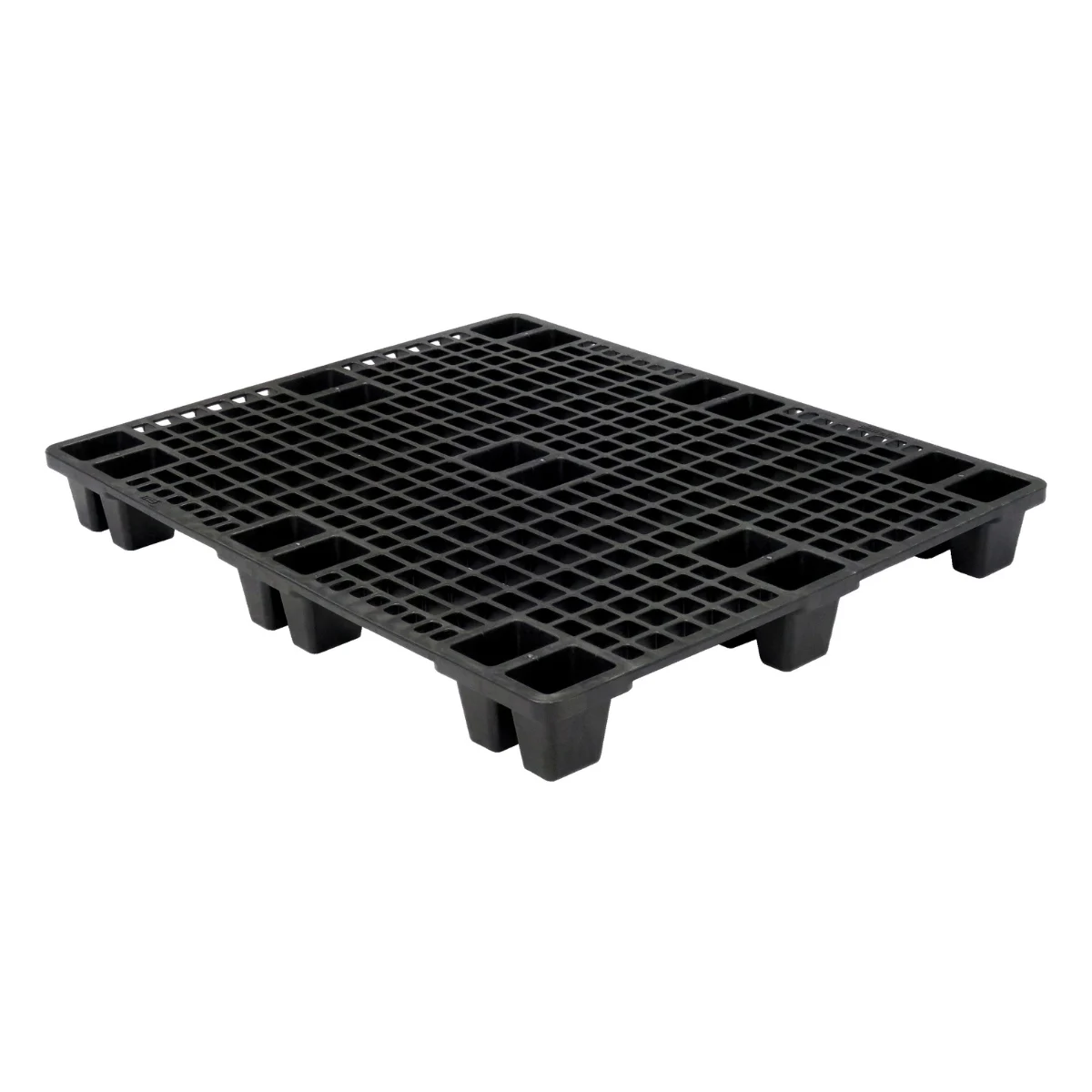 View
 View
 View
 View
 View
 View
 View
 View
View range
 View
 View
 View
 View
 View
View range
View range
View range
View range
View range
View range
View range
View range
View range
View range
Optimising Warehouse Efficiency with Plastic Pallets: An Australian Guide
By Timothy Katua, Supply Chain CoordinatorReviewed by Evan Retallack, General Manager
Published Last reviewed 8 min read
Share:
The pallet is the single most-handled asset in your warehouse — and the one most often chosen on price alone. Yet pallet selection quietly shapes how densely you can store, how fast you can pick and move goods, how well your racking and automation perform, and how much you spend replacing broken units. Optimising that one decision can lift throughput and reclaim floor space without changing your building.
This guide from Eco Pallets Australia explains how the right plastic pallets, bulk containers and totes improve warehouse efficiency, and which products suit each job across Australian distribution centres, manufacturing sites and cold stores.
Quick answer: To get the most from plastic pallets in your warehouse, standardise on a consistent footprint, match each pallet’s racking and load rating to how it is actually stored, use nestable and foldable designs to reclaim space when empty, and move smaller goods in stackable totes and bins to cut double-handling. Durable, hygienic plastic pallets also reduce replacement costs, downtime and cleaning time compared with timber.
Why Pallet Choice Affects Warehouse Efficiency
Warehouse efficiency comes down to three resources: space, time and labour. Pallets touch all three. A footprint that doesn’t match your racking wastes cubic space; a pallet that isn’t rated for beam racking forces awkward block-stacking; a unit without clean four-way entry slows every forklift and pallet-jack movement; and timber pallets that splinter or break create stoppages, product damage and disposal costs.
Plastic pallets help because they are dimensionally consistent, repeatably strong, hygienic and long-lasting. The gains are realised only when the pallet is matched to the task — which is what the rest of this guide covers.
Standardise Your Pallet Footprint
The biggest efficiency gain is often the simplest: use one or two standard footprints across your operation. Consistent pallet dimensions mean your racking beams, truck beds, conveyor guides and automation are all built around the same module, which reduces reconfiguration, mis-fits and wasted bay space.
For Australian domestic warehousing, the Australian Standard 1165 × 1165 mm footprint (AS 4068) is the natural baseline, because racking and transport here are built around it. Both of the pallets below sit on that footprint, so they drop into existing Australian racking and handling without re-engineering your layout.
Heavy-Duty Australian Standard Plastic Pallet
Heavy Duty Plastic Pallet – 1160 x 1160mm (Australian Standard)
Reinforced Heavy-Duty Australian Standard Pallet
Reinforced Heavy Duty Plastic Pallet – 1165 x 1165mm
Maximise Storage Density with Racking-Rated Pallets
Vertical space is the cheapest space you already own. Using it safely depends on the pallet’s racking load rating — the weight it can carry when supported only on its edges across beams, which is always lower than its static (stationary, stacked) rating. Block-stacking because a pallet can’t be racked wastes height and floor area.
Match the pallet to the storage method. For everyday beam racking, a rackable medium-duty pallet balances cost and capacity. For heavier or higher-bay racking, step up to a reinforced heavy-duty pallet like the Australian Standard options above, and always confirm the model’s published racking figure matches your beam spacing and load before storing on height.
Rackable Medium-Duty Plastic Pallet
Rackable Medium Duty Plastic Pallet – 1100 x 1100mm
Reclaim Floor Space with Nestable and Foldable Designs
Empty pallets and containers are pure cost — they consume storage and return-transport space while earning nothing. Space-saving designs attack that directly.
Nestable pallets let empties sit inside one another, cutting the stored height of a stack of empties, which suits operations that cycle large volumes of empty pallets.
Nestable Plastic Export Pallet
Nestable Plastic Export Pallet – 1200 x 1000mm
Foldable and collapsible bulk containers go further, folding flat when empty to recover most of their footprint for storage and return freight.
750L Foldable Bulk Container
750L Foldable Bulk Container – 4-Way Entry
370L Collapsible Bulk Container
370L Collapsible Bulk Container (Low Profile)
Speed Up Handling and Cut Double-Handling
Every unnecessary touch is wasted labour. Faster, lower-touch handling comes from two things: pallets that lift cleanly from any side, and right-sized units that avoid breaking down and rebuilding loads. Four-way entry, standard across our export and heavy-duty ranges, lets forklifts and pallet jacks engage from any side and reduces repositioning in tight aisles.
Mini skids and half pallets suit smaller loads, retail replenishment and narrow-aisle picking without committing a full-size pallet.
Plastic Quarter Pallet / Mini Skid
Plastic Quarter Pallet / Mini Skid – 800 x 600mm
Plastic Half Pallet / Mini Skid
Plastic Half Pallet / Mini Skid – 1200 x 600mm
For order picking, stackable totes keep components and packed orders organised and movable in one motion. They come in three sizes for small to medium picks, and the full range stacks when full and nests when empty.
24L Stack & Nest Tote
24L Stack and Nest Tote (with Optional Lid)
39L Stack & Nest Tote
39L Stack and Nest Tote (with Optional Lid)
58L Stack & Nest Tote
58L Stack and Nest Tote (with Optional Lid)
Series · 6 products
Stack and Nest Containers
Automate with Confidence: Pallets for ASRS and Shuttle Racking
Automated storage and retrieval systems (ASRS), shuttle racking and conveyor lines are unforgiving of pallet variation. A pallet that sags, flexes or varies dimensionally causes mis-reads, jams and downtime — the opposite of the efficiency automation is meant to deliver. Automated-grade pallets use steel reinforcement to hold a consistent, rigid profile through repeated high-speed cycles.
The steel-reinforced pallet below is built for automated and shuttle-racking environments, while the lipped version adds cargo retention to keep loads in place during fast movement.
Automated & Shuttle Racking Pallet (Steel Reinforced)
Automated and Shuttle Racking Pallet – 1160 x 1160mm (Steel Reinforced)
Automated Racking Pallet with Retaining Lip
Automated Racking Pallet with Retaining Lip – 1160 x 1160mm
Cut Downtime and Replacement Costs with Durable, Hygienic Plastic
Broken pallets are an efficiency tax: stoppages to clear debris, damaged product, injury risk from nails and splinters, and a steady replacement spend. Plastic pallets don’t splinter, rot, absorb moisture or shed nails, so they last through many more cycles and keep lines moving. Over a service life, a durable plastic pallet’s cost per use is often well below a timber equivalent that is repaired and replaced repeatedly.
Hygiene is its own efficiency gain. Non-porous plastic wipes down in seconds and withstands washdown, which matters in food, beverage, pharmaceutical and cold-chain operations. The smooth-walled bulk bin and food-grade tote below clean up fast and resist contamination.
650L Rotomoulded Hygienic Bulk Bin
650L Rotomoulded Bulk Bin (Smooth Wall, Hygienic)
32L Food-Grade Storage Tote
32L Food-Grade Storage Tote (with Optional Lid)
Organise Smaller Goods: Bins, Crates and Totes
Pallets move full loads; efficient warehouses also need a system for everything smaller. Standardised bins and totes keep components, sub-assemblies and packed orders contained, stackable and quick to locate — reducing search time and part damage. Standardising on a small number of sizes makes shelving, labelling and automated picking far more predictable.
Bulk bins consolidate loose or bulk stock on a pallet footprint, and rigid storage totes organise parts and consumables on shelving or benches.
600L Rigid Bulk Bin
600L Rigid Bulk Bin (Solid Wall)
Series · 6 products
Rigid Bulk Crates
Series · 6 products
Rigid Small Totes
Don’t Overlook Safety and Compliance
Efficiency and safety move together — incidents cause the most expensive stoppages of all. Lighter plastic pallets reduce manual-handling strain, smooth decks reduce snagging, and contained liquid storage prevents spill clean-ups that halt an aisle. If your warehouse stores oils, chemicals or drums, compliant bunding and spill kits keep those areas running safely.
Series · 5 products
Drum Bunds and Bunded Pallets
Series · 3 products
Spill Kits
A Practical Warehouse-Efficiency Checklist
Work through these questions when reviewing your pallet and container mix:
- Are you running one or two standard footprints, or a mix that complicates racking and handling?
- Is every racked pallet rated for racking at your beam spacing and load — not just for static stacking?
- How much space do empty pallets and containers consume? Could nestable or foldable designs reclaim it?
- How many times is a typical load touched between receiving and dispatch? Where could right-sized totes or skids remove a step?
- Will your pallets run through automation? If so, are they dimensionally consistent and rigid enough for ASRS or shuttle racking?
- What is your pallet replacement spend and breakage rate? Compare cost per use, not just purchase price.
- Do hygiene or washdown requirements apply? Match materials and surfaces to the product.
Frequently Asked Questions
They improve it through dimensional consistency (better racking and automation performance), clean four-way handling, space-saving nestable and foldable designs, and long service life that reduces breakage-related downtime and replacement cost. The gains depend on matching each pallet’s footprint and load rating to how it is stored and moved.
Use a pallet with a published racking (beam) rating suited to your beam spacing and load — a rackable medium-duty pallet for general storage, or a reinforced heavy-duty pallet for heavier or higher-bay racking. A pallet’s static rating is not its racking rating, so always check the racking figure before storing on height.
Yes. Nestable pallets sit inside one another and foldable containers collapse flat, so a stack of empties occupies a fraction of the space of rigid units. The saving is greatest for operations that store or return large volumes of empties.
Yes, provided they are automation-grade. Steel-reinforced pallets hold a consistent, rigid profile through repeated high-speed cycles, which prevents the sag and dimensional variation that cause jams and mis-reads in ASRS and shuttle racking.
Over repeated in-house use they usually are. Timber can be cheaper to buy, but plastic’s longer service life, lower breakage and minimal maintenance typically give a lower cost per use in a closed-loop warehouse, plus hygiene and safety benefits.
They bring the same consistency to smaller goods that pallets bring to full loads — stackable, nestable, right-sized containers reduce search time, part damage and double-handling, and make shelving, labelling and automated picking more predictable.
Optimise Your Warehouse with Eco Pallets Australia
Improving warehouse efficiency rarely means rebuilding — it usually means matching the right pallet, bin or tote to each task so space, time and labour stop leaking. From Australian Standard racking pallets and automated-grade units to nestable pallets, foldable bulk containers and stackable totes, Eco Pallets supplies a full materials-handling range for Australian warehouses.
Explore the ranges:
Series · 2 products
Heavy-Duty Plastic Pallets
Series · 2 products
Medium Duty Plastic Pallets
Series · 2 products
Light Duty Plastic Pallets
Series · 2 products
Automated Warehousing
Series · 5 products
Foldable Bulk Crates
Series · 8 products
Export Plastic Pallets
Found this useful? Share it.
Share:
Ready to Get a Quote?
Speak with our commercial team for wholesale pricing and product recommendations.
Request a Quote