Wholesale Material Handling
Ratchet Straps & Load Restraint
Fully AS/NZS 4380:2001-compliant ratchet straps for safe, legal load restraint — rated by lashing capacity, with the right hooks for your anchor points and loads.
Browse by Series
Industrial Supplies by series
Each series groups the products engineered for one job, with its own buying guide and FAQs.
The Range
Industrial Supplies
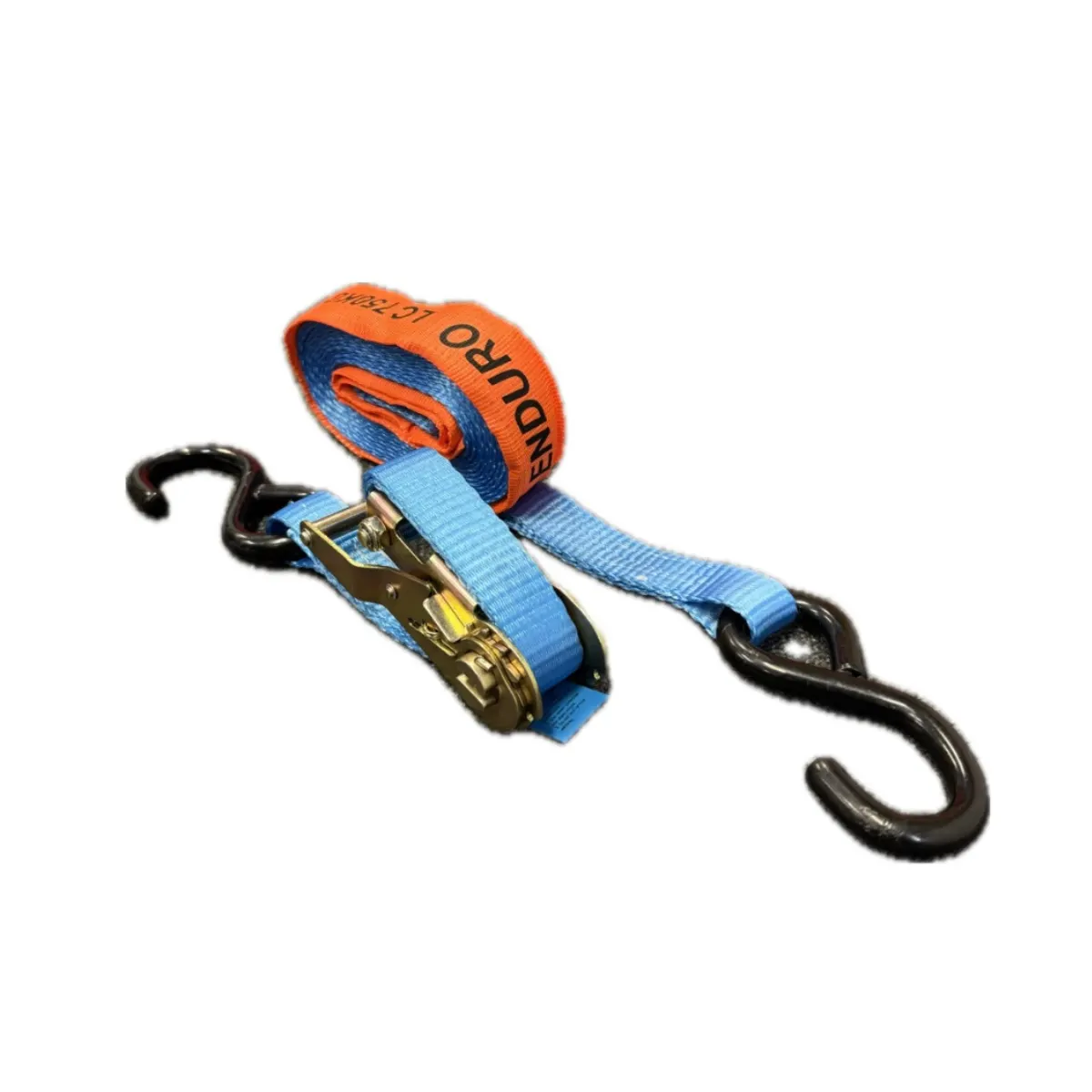
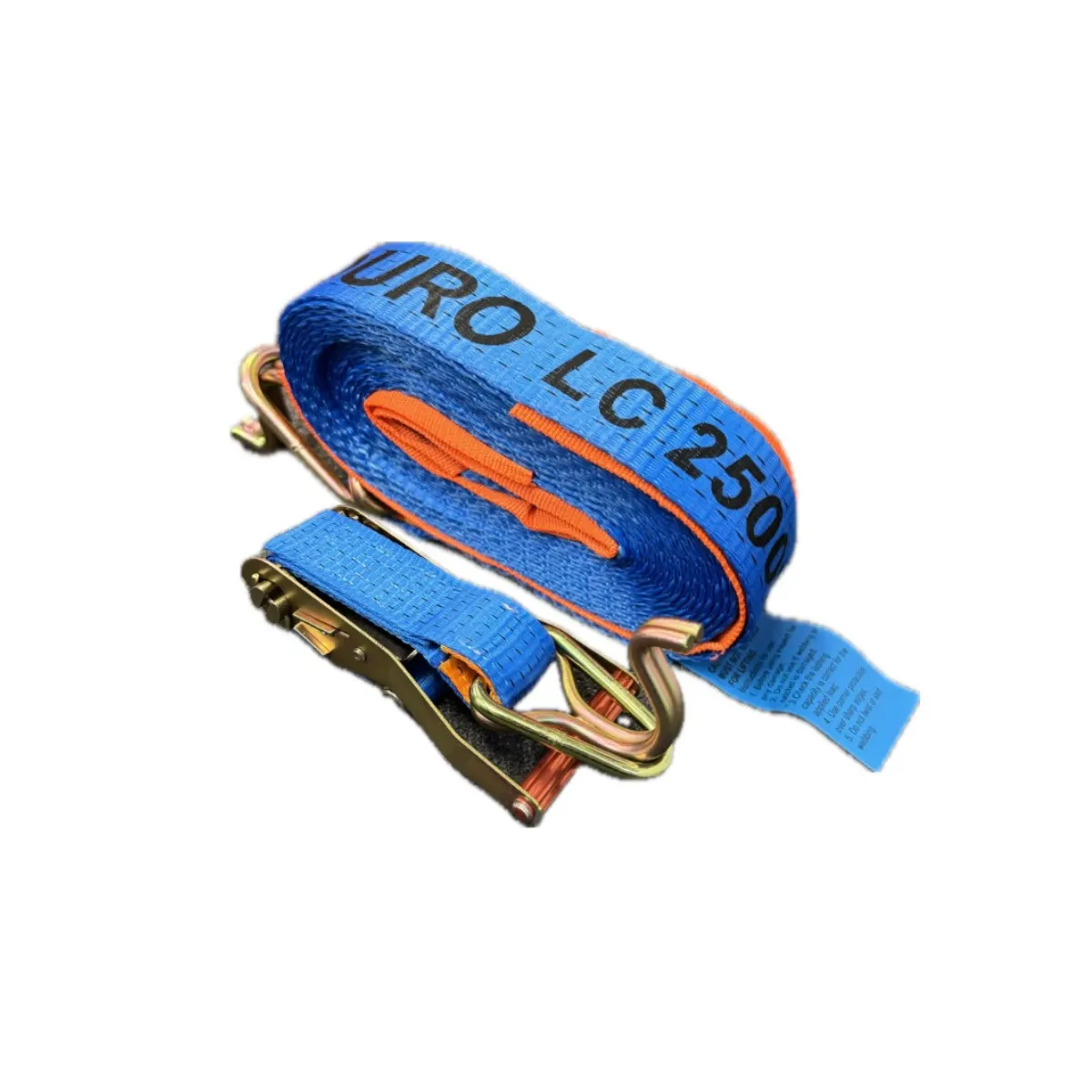
Our two ratchet strap specifications — light-duty 25mm and heavy-duty 50mm. Add either to a quote, or tell us your loads and vehicles and we'll recommend the right strap, length and hook.
Range Overview
Specialists in Industrial Supplies
Ratchet straps are the everyday tool for securing loads on utes, trailers, flatbeds and trucks — and getting them right is a safety and legal requirement, not an afterthought. Eco Pallets supplies high-quality ratchet tie-downs built for real load restraint, in two specifications that cover light through to heavy-duty work: a 5m × 25mm strap rated to 750kg lashing capacity with an S-hook for pallets, cartons and lighter loads, and a 9m × 50mm strap rated to 2,500kg lashing capacity with double J-hooks for machinery, plant and heavier palletised freight.
Both straps are fully compliant with AS/NZS 4380:2001 — the Australian and New Zealand standard for webbing ratchet tie-down assemblies — and are tested, rated and permanently labelled by Lashing Capacity (LC). LC is the correct measure for load restraint, not a lifting Working Load Limit (WLL), and it's the figure you match to your load: the maximum restraint force the assembly is designed to hold, typically around half the webbing's breaking strength. As a guide you choose a strap with an LC at or above the weight of the heaviest item you're securing. The webbing is high-tenacity polyester for low stretch and UV resistance, with a positive ratchet that holds tension through braking, cornering and corrugations.
How many straps you need depends on the weight and shape of the load and the strength of your anchor points — the NHVR Load Restraint Guide sets out how to calculate it, and spreading the force across more lashings is the safe answer when a single strap isn't enough. Under Chain of Responsibility, everyone who loads or dispatches freight shares the duty to restrain it properly, which is why it pays to use rated, well-made straps. Talk to us about the right strap, length and hook for your vehicles and loads — we supply from single units to bulk quantities for transport, construction, warehousing and industrial operations across Australia.
AS/NZS 4380:2001 compliant
Fully compliant with the Australian and New Zealand standard for webbing ratchet tie-down assemblies — tested, rated and labelled to spec.
750kg & 2,500kg lashing capacity
Two marked LC ratings so you can match the strap to your load — LC is the correct restraint measure, not a lifting WLL.
Light & heavy-duty options
A 25mm / 750kg strap with S-hook for pallets and cartons, and a 50mm / 2,500kg strap with double J-hooks for machinery and heavy freight.
Secure, road-ready restraint
Low-stretch, UV-resistant polyester webbing and a positive ratchet that holds tension through braking, cornering and rough roads.
Questions & Answers
Industrial Supplies FAQs
The 5m × 25mm strap has a 750kg lashing capacity and an S-hook — it's the light-to-medium-duty option for securing pallets, cartons, white goods and lighter equipment on utes and trailers. The 9m × 50mm strap has a 2,500kg lashing capacity and double J-hooks, with wider webbing and a longer reach for machinery, plant, building materials and heavier palletised loads on flatbeds and trucks. As a guide, choose the strap whose lashing capacity is at or above the weight of the heaviest item you're restraining.
Yes — our ratchet straps are fully compliant with AS/NZS 4380:2001, the Australian and New Zealand standard for webbing ratchet tie-down assemblies. They are tested to the standard and permanently labelled with their Lashing Capacity (LC), so you can specify and use them with confidence for load restraint on Australian roads. Using compliant, rated equipment also makes it easier to calculate your restraint with the NHVR Load Restraint Guide and to meet your Chain of Responsibility obligations.
Lashing Capacity (LC) is the maximum restraint force a tie-down assembly is designed to sustain in use, marked in kilograms. It is the correct rating for load restraint under AS/NZS 4380, and the figure you match to your load. Working Load Limit (WLL) is a lifting term and shouldn't be used to choose restraint straps. As a rule of thumb LC is around half the webbing's minimum breaking strength — always select by the marked LC, not by breaking strength.
The hook needs to match your anchor points. The S-hook on the 25mm strap suits rope rails, cargo lugs and tie-down points on utes and light trailers. The double J-hooks on the 50mm strap give a more secure, higher-capacity connection to D-rings, cargo rails and chassis points on trailers and flatbeds. If you're not sure what your vehicle has, tell us and we'll point you to the right fitting.
It depends on the weight and shape of the load, the friction between the load and the deck, and the strength of your anchor points. The NHVR Load Restraint Guide sets out how to calculate the number of lashings for tie-down (friction) restraint, and the safe answer when one strap isn't enough is to add more to spread the force across additional lashing points. Never exceed a strap's lashing capacity — and remember that under Chain of Responsibility, everyone who loads or dispatches a vehicle shares the duty to restrain the load properly.
Need a wholesale quote?
Tell us the products, quantities and delivery location and we'll come back the same business day with trade pricing and current lead times.